The Carnival of the Islands of Guadeloupe
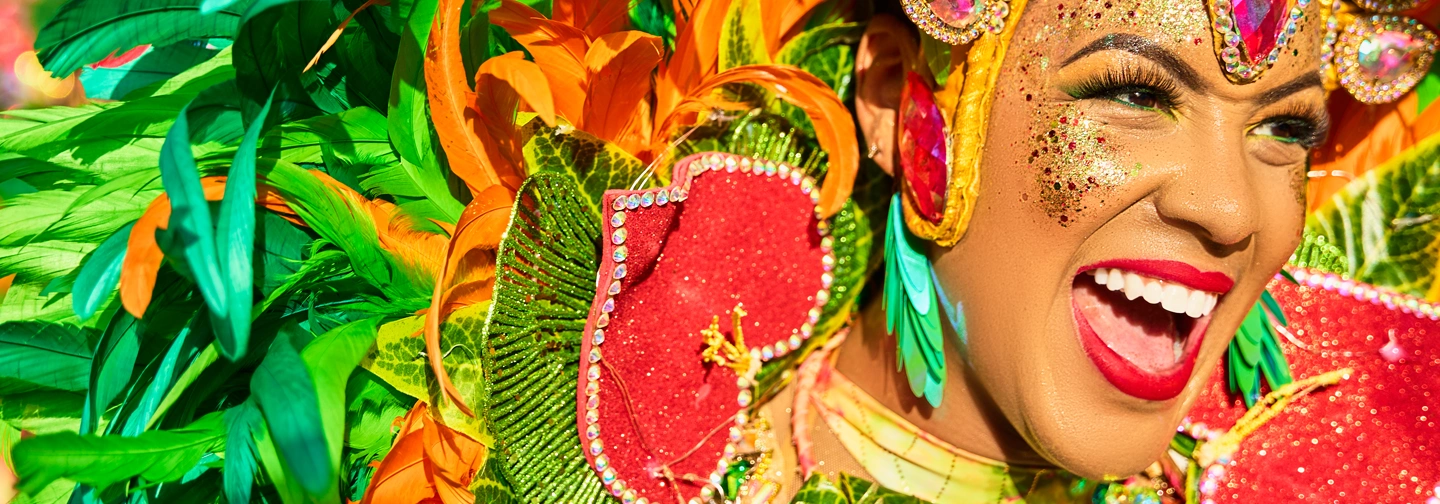
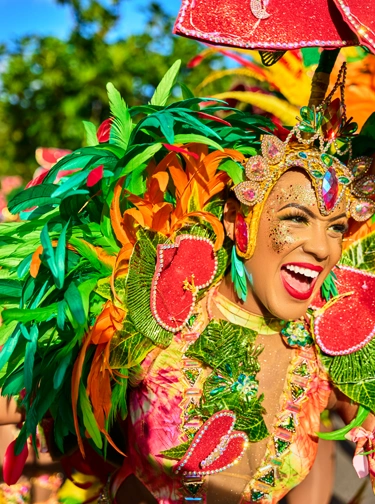
Expected and prepared for many months, the Carnival of the Islands of Guadeloupe is a real cultural institution! An unmissable tourist attraction, it also contributes to maintaining traditions. For almost 2 months, the whole archipelago took on the air of celebration and came together!

An ancestral celebration in Guadeloupe
It was in the 17th century that carnival was introduced in Guadeloupe by the colonists. The key word of this tropical carnival is originality. Many groups prepare for this traditional event for a whole year, which begins on Epiphany Sunday and ends with 4 days of festive parades, called the “unravels”, until Ash Wednesday.
Basse-Terre and Pointe-à-Pitre maintain their festive monopoly, even if all municipalities are mobilizing to participate in the carnival. Carnival is a time for competition, whether it's singing, dancing, beauty, costume, or music. Carnival kings and queens are also elected, with the queen leading the parade on rainy days.
Program of the Carnival of the Islands of Guadeloupe
The carnival is in full swing during the four fat days. On Sundays, a parade of masks and floats takes place, and the streets of towns and villages are filled with groups of dancers and musicians. Traffic was blocked that day and the sidewalks were overrun by crowds. On Mondi Gras, burlesque weddings are in the spotlight. Women wear costumes and men dress up as women.
On Tuesday, parades start early in the morning and continue throughout the day. The crowd parades in the middle of the “horned masks”, a red devil dressed in clothes and decorated with shards of mirror, an emblematic character of the carnival. Bull horns are also synonymous with power in rural areas.
But the symbolic character of these holidays is Vaval (carnival in Creole). He is the king of carnival and personifies all the troubles of the past year. For this reason, before chanting “Vaval, Vaval, Vaval” in front of a crowd dressed in black and white, on Ash Wednesday, the last day of the carnival and also called the big “vidé”, and where Vaval is traditionally burned.
Traditionally, during carnival, children in costumes also roam the crossroads of the island, demanding candy and money from the cars.
For 5 years, travelers have been able to take part in the preparations and participate in the big carnival parade! Take the opportunity to live your most beautiful moments, colorful and joyful, to the rhythms of percussion, drums, songs and laughter!
EXPLORE OUR ARTICLES

Caribbean Vibes: Discover the music festival in Guadeloupe!
On the occasion of the music festival, June 21, Guadeloupe vibrates to the sound of Caribbean and international rhythms. Free concerts, open-air stages and artists from all walks of life transform the archipelago into a huge musical and popular celebration.
Focus on two artists from Guadeloupe
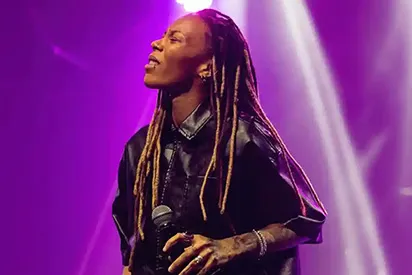
Discover two key Guadeloupian talents: Lycinaïs Jean and Krys, between pop, reggae and dancehall, for a unique local musical immersion.